Most sponsorship proposals are built like an event brochure. Big photos, the history of the event, last year's attendance and a tier chart with names like Gold and Platinum. The brand partner reading it is asking something narrower. What does our brand get out of this, and how will we know it worked?
Our read is that a sponsorship proposal gets a yes when it answers that question first and keeps answering it all the way through.
Start with the brand's goals
Every brand sponsors for a reason. A product launch that needs a crowd. A new market they're trying to reach. Content they need for the next quarter. Relationships with a specific kind of buyer. If you don't know the reason, find out before you write anything. A short call or even a few questions over email will tell you more than any amount of research on their website.
Then open the sponsorship proposal with that reason, in their words. "You're launching in New York this spring and need to be in front of independent retailers." From there, every page should connect back to it. Our read is that a proposal built around the brand's goal reads like a plan made for them, and a proposal built around the event reads like a form letter sent to fifty brands.
Describe the audience in specifics
"10,000 attendees" tells a brand very little. Who are they? What do they buy? What jobs do they hold? How many are decision makers in the brand's category?
Give the brand the audience details that map to their goal. If they sell to retailers, say how many retail buyers attend and what kinds of stores they represent. If they care about a younger audience, show the age range if you have it. Only use numbers you can stand behind, from your own registration data or past attendance records. If you don't have a figure, leave it out. A brand's partnership team will often check, and one shaky number makes them doubt the rest.
Show the experience, then the package
Brands sponsor moments as much as logos. Where will their brand appear, and what will people do there? A branded lounge where buyers take meetings. A product demo on the main stage. A content studio where attendees get their photo taken with the product.
Show these moments visually before you get to the package price. Photos and video from past events do this better than any paragraph. Proposify, which sells proposal software, reported in its 2026 data that 83 percent of winning proposals included images, averaging 12 each, and that proposals whose video was watched were 3.3x more likely to close. That's Proposify's own customer data, and it has a commercial interest in the finding. Our read is that for events, the case for video is even stronger, because you're selling an experience the brand partner can't attend before they pay for it.
Build packages around outcomes
Traditional tier names tell the brand how much they're spending and very little about what they get. Try naming and grouping packages around what each one does for the brand. A visibility package for broad awareness. A presence package with a branded space and meetings. A content package where the brand leaves with photo and video they can use for months.
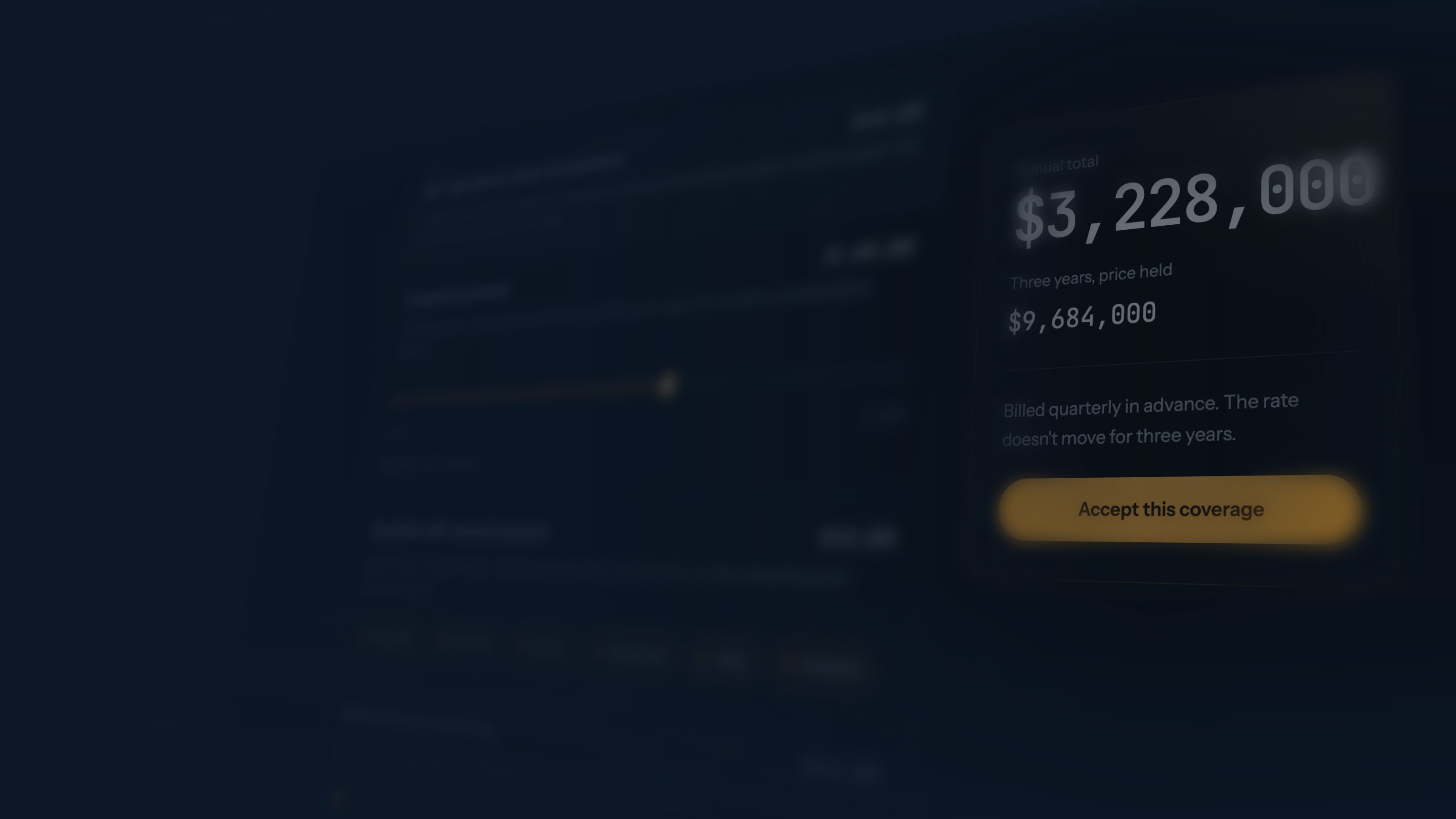
Show the packages side by side so the brand can compare them without asking for a new version. Proposify's 2026 report found teams using interactive pricing won 2x more proposals, again from its own customer data. Our read is that a sponsor who can move between options and see what changes is much closer to choosing one. We cover this more in how to present pricing in a proposal.
Spell out what they walk away with
This is where many sponsorship proposals go vague. Logo placement, social mentions, booth space. All fine, but brands want to know what's left after the event ends.
Be specific. How many social posts, on which channels, and when. Whether they get photo and video from the event, and whether they can use it in their own marketing. Whether they get attendee contact details, with the right consent in place. Our read is that clear usage rights for content are one of the most underrated parts of a sponsorship proposal. If the brand can use the footage across its own channels for the rest of the year, the sponsorship keeps paying off after the doors close.
Show how you'll measure it
A brand partner has to report back internally after the event. Make that easy. Say what you'll track (booth visits, meetings booked, content views, leads collected) and when they'll get a recap.
You don't need to promise outcomes you can't control. You need to show you'll give them the numbers they need to tell their own leadership whether it worked. That alone sets you apart from most proposals they'll see.
Make it easy to forward
The person you're talking to at the brand probably isn't the only one who decides. Their marketing lead, finance team and possibly legal will all see the proposal. Gartner research found B2B buyers spend 17 percent of their buying time meeting with suppliers, and about 5 percent each when three are in the running. Our read is that a sponsorship decision mostly happens in internal meetings you're not invited to, with your proposal on the screen.
A live web version of the proposal travels well. It opens on any phone, video plays in place, and the brand can share one link instead of a large attachment. A matching PDF covers anyone who'd rather print. If you're competing against other events for the same budget, our post on why you're not the only one bidding covers how to stand out in that stack.
Give it a deadline that makes sense
Sponsorships run on calendars. Production lead times, print deadlines and the brand's own planning cycle all matter. Close the proposal with a clear next step and a date tied to something real, such as the cutoff for printed signage or the last day to secure a specific space. A deadline the brand understands reads as helpful. An arbitrary one reads as pressure.
The short version
A sponsorship proposal brands say yes to starts with their goal, describes the audience in specifics, shows the experience before the price, groups packages around outcomes and spells out exactly what the brand walks away with. Make it easy to forward and easy to measure.
If you're putting together a sponsorship proposal for an event that matters, we'd be glad to help build it. You can see the work or start a proposal.