Selling to a CFO Who Will Never Take Your Meeting

The CFO often decides your deal without ever meeting you. Here's what they're reading for, and how to build the page that gets their yes.

The CFO often decides your deal without ever meeting you. Here's what they're reading for, and how to build the page that gets their yes.

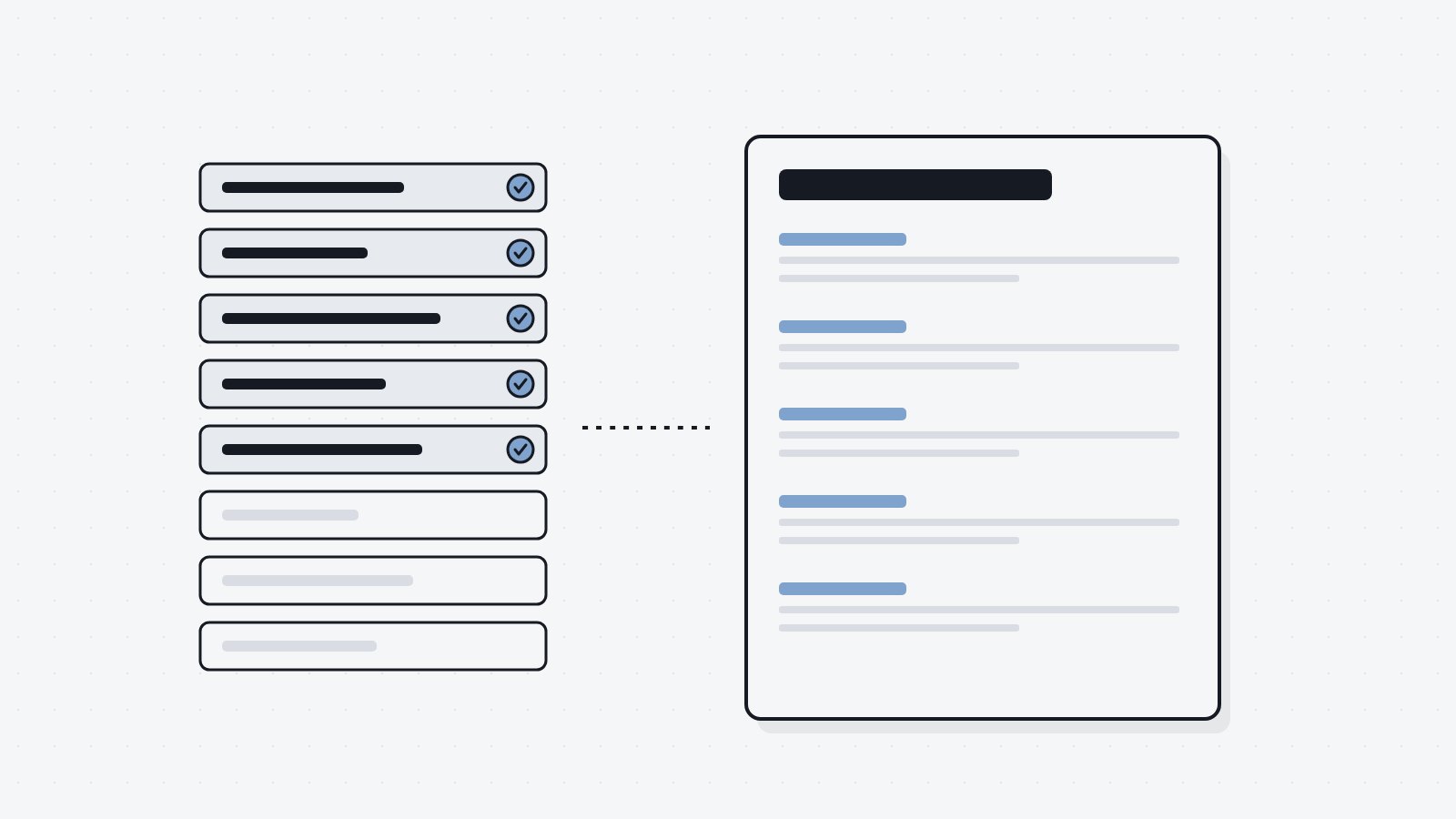
Cover illustration for Selling to a CFO Who Will Never Take Your Meeting, from the Closewell Studio blog on sales proposal design
How-to

Selling to a CFO usually means selling to someone you'll never meet. Your champion takes the meetings. The CFO reads the proposal later, often between other approvals, and decides whether the money moves. Most advice about selling to a CFO is about the conversation. Our read is that the page matters more, because the page is the part the CFO sees.

What a CFO is reading for

A CFO reads a proposal with a short list of questions in mind. What does this cost, all in? When does the cash go out? What do we get back, and how sure is it? What does it replace? Does it fit the budget? What happens if it doesn't work?

And one more question, usually unspoken. Does the champion's math hold up? A CFO who finds one number that doesn't add up will doubt every number around it.

Why CFOs stall deals

In our experience, CFOs rarely kill deals outright. They slow them down. A proposal stalls in finance when the total cost is hard to find, when benefits are vague, when the return depends on assumptions nobody explained, or when a multi-year commitment has no way out.

Each of those gives the CFO a reason to ask for more information. Every request for more information adds weeks, and a deal that stalls long enough often dies in no decision. More on that in why so many deals die in no decision.

Selling to a CFO on one page

The most useful thing you can do is give the CFO their own page, written for the way finance thinks.

Total cost, by year and by quarter of cash. One table with everything in it, including setup, licenses, services and any internal costs you know about. Show when the money goes out, since timing matters as much as the total.

What it replaces, and the savings. Use the client's own numbers from discovery, like current spend, hours or error rates. If they shared them, the CFO will recognize them.

The assumptions, stated plainly. List every assumption behind the return so the CFO can test it. A CFO who can change an assumption and see the result trusts the model more.

A conservative case. Show what happens if the benefits come in lower than expected. A modest return they can check beats a big one they can't.

Payment terms and the way out. How they pay, when, and what happens if the project needs to stop. Clear exit terms make a commitment easier to approve.

In a live web proposal, this page can let the CFO move the assumptions and watch the numbers change. That's one of the reasons we offer an ROI calculator as an add-on.

Use their numbers, and show your work

Never invent a return. If the client didn't give you a number, say what you'd need to estimate it, or describe the benefit in plain terms without a figure. Label every estimate as an estimate. Put the full model in an appendix for anyone on the finance team who wants to check it.

Our guide to presenting pricing in a proposal goes deeper on how to frame the number itself.

A use case

Here's an example. An energy services company is proposing a lighting and controls retrofit to a manufacturer with three plants.

The first draft had a 15-year savings projection and a single headline return. The CFO asked where the numbers came from and the deal paused.

The rebuilt CFO page started with the total cost over two years, shown by quarter. The savings were based on the plant's own utility bills from the past year, which the client had shared. The page listed every assumption, from hours of operation to the electricity rate. It showed the payback in a conservative case and an expected case. It also covered a financing option that spread the cost over the savings period. The CFO approved the first plant and asked to see the other two after six months of results.

Questions we hear about selling to a CFO

Should we ask to meet the CFO?

Yes, ask through your champion and offer a short call. But build the proposal as if the meeting will never happen, because it often won't.

How detailed should the return model be?

Detailed enough to check. Put the summary on the CFO page and the full model in an appendix. A CFO who wants to go deeper will, and one who doesn't shouldn't have to.

What if the champion doesn't know the budget?

Ask how the last purchase of a similar size got approved. Who signed it, what they asked for and how long it took. That tells you more than a budget number would.

Should the CFO page include the cost of doing nothing?

When you have the numbers for it, yes. Some CFOs weigh the cost of waiting as heavily as the cost of buying. Use figures the client gave you, like current overtime or error rates, and keep the math simple enough to verify in a minute.

Can the CFO page live in the PDF too?

Yes. The web version can carry a calculator, and the PDF carries the same page with the expected and conservative cases written out, so finance can file it.

The short version

Selling to a CFO happens on paper. Give them one page with the total cost and cash timing, the savings in their numbers, the assumptions spelled out, a conservative case and a clear way out. Then make sure every number matches everywhere else in the proposal.

For the rest of the people who sign off, see writing for a B2B buying committee. When a deal depends on finance saying yes, start a proposal.

More notes

All notes
Cover illustration for Selling to a CFO Who Will Never Take Your Meeting, from the Closewell Studio blog on sales proposal design
How-to

Selling to a CFO usually means selling to someone you'll never meet. Your champion takes the meetings. The CFO reads the proposal later, often between other approvals, and decides whether the money moves. Most advice about selling to a CFO is about the conversation. Our read is that the page matters more, because the page is the part the CFO sees.

What a CFO is reading for

A CFO reads a proposal with a short list of questions in mind. What does this cost, all in? When does the cash go out? What do we get back, and how sure is it? What does it replace? Does it fit the budget? What happens if it doesn't work?

And one more question, usually unspoken. Does the champion's math hold up? A CFO who finds one number that doesn't add up will doubt every number around it.

Why CFOs stall deals

In our experience, CFOs rarely kill deals outright. They slow them down. A proposal stalls in finance when the total cost is hard to find, when benefits are vague, when the return depends on assumptions nobody explained, or when a multi-year commitment has no way out.

Each of those gives the CFO a reason to ask for more information. Every request for more information adds weeks, and a deal that stalls long enough often dies in no decision. More on that in why so many deals die in no decision.

Selling to a CFO on one page

The most useful thing you can do is give the CFO their own page, written for the way finance thinks.

Total cost, by year and by quarter of cash. One table with everything in it, including setup, licenses, services and any internal costs you know about. Show when the money goes out, since timing matters as much as the total.

What it replaces, and the savings. Use the client's own numbers from discovery, like current spend, hours or error rates. If they shared them, the CFO will recognize them.

The assumptions, stated plainly. List every assumption behind the return so the CFO can test it. A CFO who can change an assumption and see the result trusts the model more.

A conservative case. Show what happens if the benefits come in lower than expected. A modest return they can check beats a big one they can't.

Payment terms and the way out. How they pay, when, and what happens if the project needs to stop. Clear exit terms make a commitment easier to approve.

In a live web proposal, this page can let the CFO move the assumptions and watch the numbers change. That's one of the reasons we offer an ROI calculator as an add-on.

Use their numbers, and show your work

Never invent a return. If the client didn't give you a number, say what you'd need to estimate it, or describe the benefit in plain terms without a figure. Label every estimate as an estimate. Put the full model in an appendix for anyone on the finance team who wants to check it.

Our guide to presenting pricing in a proposal goes deeper on how to frame the number itself.

A use case

Here's an example. An energy services company is proposing a lighting and controls retrofit to a manufacturer with three plants.

The first draft had a 15-year savings projection and a single headline return. The CFO asked where the numbers came from and the deal paused.

The rebuilt CFO page started with the total cost over two years, shown by quarter. The savings were based on the plant's own utility bills from the past year, which the client had shared. The page listed every assumption, from hours of operation to the electricity rate. It showed the payback in a conservative case and an expected case. It also covered a financing option that spread the cost over the savings period. The CFO approved the first plant and asked to see the other two after six months of results.

Questions we hear about selling to a CFO

Should we ask to meet the CFO?

Yes, ask through your champion and offer a short call. But build the proposal as if the meeting will never happen, because it often won't.

How detailed should the return model be?

Detailed enough to check. Put the summary on the CFO page and the full model in an appendix. A CFO who wants to go deeper will, and one who doesn't shouldn't have to.

What if the champion doesn't know the budget?

Ask how the last purchase of a similar size got approved. Who signed it, what they asked for and how long it took. That tells you more than a budget number would.

Should the CFO page include the cost of doing nothing?

When you have the numbers for it, yes. Some CFOs weigh the cost of waiting as heavily as the cost of buying. Use figures the client gave you, like current overtime or error rates, and keep the math simple enough to verify in a minute.

Can the CFO page live in the PDF too?

Yes. The web version can carry a calculator, and the PDF carries the same page with the expected and conservative cases written out, so finance can file it.

The short version

Selling to a CFO happens on paper. Give them one page with the total cost and cash timing, the savings in their numbers, the assumptions spelled out, a conservative case and a clear way out. Then make sure every number matches everywhere else in the proposal.

For the rest of the people who sign off, see writing for a B2B buying committee. When a deal depends on finance saying yes, start a proposal.

Share this note

XLinkedIn

More notes

All notes
Cover illustration for Selling to a CFO Who Will Never Take Your Meeting, from the Closewell Studio blog on sales proposal design
How-to

Selling to a CFO usually means selling to someone you'll never meet. Your champion takes the meetings. The CFO reads the proposal later, often between other approvals, and decides whether the money moves. Most advice about selling to a CFO is about the conversation. Our read is that the page matters more, because the page is the part the CFO sees.

What a CFO is reading for

A CFO reads a proposal with a short list of questions in mind. What does this cost, all in? When does the cash go out? What do we get back, and how sure is it? What does it replace? Does it fit the budget? What happens if it doesn't work?

And one more question, usually unspoken. Does the champion's math hold up? A CFO who finds one number that doesn't add up will doubt every number around it.

Why CFOs stall deals

In our experience, CFOs rarely kill deals outright. They slow them down. A proposal stalls in finance when the total cost is hard to find, when benefits are vague, when the return depends on assumptions nobody explained, or when a multi-year commitment has no way out.

Each of those gives the CFO a reason to ask for more information. Every request for more information adds weeks, and a deal that stalls long enough often dies in no decision. More on that in why so many deals die in no decision.

Selling to a CFO on one page

The most useful thing you can do is give the CFO their own page, written for the way finance thinks.

Total cost, by year and by quarter of cash. One table with everything in it, including setup, licenses, services and any internal costs you know about. Show when the money goes out, since timing matters as much as the total.

What it replaces, and the savings. Use the client's own numbers from discovery, like current spend, hours or error rates. If they shared them, the CFO will recognize them.

The assumptions, stated plainly. List every assumption behind the return so the CFO can test it. A CFO who can change an assumption and see the result trusts the model more.

A conservative case. Show what happens if the benefits come in lower than expected. A modest return they can check beats a big one they can't.

Payment terms and the way out. How they pay, when, and what happens if the project needs to stop. Clear exit terms make a commitment easier to approve.

In a live web proposal, this page can let the CFO move the assumptions and watch the numbers change. That's one of the reasons we offer an ROI calculator as an add-on.

Use their numbers, and show your work

Never invent a return. If the client didn't give you a number, say what you'd need to estimate it, or describe the benefit in plain terms without a figure. Label every estimate as an estimate. Put the full model in an appendix for anyone on the finance team who wants to check it.

Our guide to presenting pricing in a proposal goes deeper on how to frame the number itself.

A use case

Here's an example. An energy services company is proposing a lighting and controls retrofit to a manufacturer with three plants.

The first draft had a 15-year savings projection and a single headline return. The CFO asked where the numbers came from and the deal paused.

The rebuilt CFO page started with the total cost over two years, shown by quarter. The savings were based on the plant's own utility bills from the past year, which the client had shared. The page listed every assumption, from hours of operation to the electricity rate. It showed the payback in a conservative case and an expected case. It also covered a financing option that spread the cost over the savings period. The CFO approved the first plant and asked to see the other two after six months of results.

Questions we hear about selling to a CFO

Should we ask to meet the CFO?

Yes, ask through your champion and offer a short call. But build the proposal as if the meeting will never happen, because it often won't.

How detailed should the return model be?

Detailed enough to check. Put the summary on the CFO page and the full model in an appendix. A CFO who wants to go deeper will, and one who doesn't shouldn't have to.

What if the champion doesn't know the budget?

Ask how the last purchase of a similar size got approved. Who signed it, what they asked for and how long it took. That tells you more than a budget number would.

Should the CFO page include the cost of doing nothing?

When you have the numbers for it, yes. Some CFOs weigh the cost of waiting as heavily as the cost of buying. Use figures the client gave you, like current overtime or error rates, and keep the math simple enough to verify in a minute.

Can the CFO page live in the PDF too?

Yes. The web version can carry a calculator, and the PDF carries the same page with the expected and conservative cases written out, so finance can file it.

The short version

Selling to a CFO happens on paper. Give them one page with the total cost and cash timing, the savings in their numbers, the assumptions spelled out, a conservative case and a clear way out. Then make sure every number matches everywhere else in the proposal.

For the rest of the people who sign off, see writing for a B2B buying committee. When a deal depends on finance saying yes, start a proposal.
Share this note

XLinkedIn

More notes

All notes

Tell us the deal in a line. We'll read it and come back with a plan and a price.

Try

Tell us the deal in a line. We'll read it and come back with a plan and a price.

See the work

Tell us the deal in a line. We'll read it and come back with a plan and a price.

Try