Win themes are the few sentences you want a buyer to remember and repeat when you’re not around. A lot of advice starts with where to repeat them in the document. We start one step earlier. When we write a sales proposal, the first job is one sentence. What should the champion be able to say in a meeting we’re not in? If we can’t write that sentence, the brief isn’t done.
What win themes are
A win theme has three parts. What the buyer gets, why you can deliver it when other bidders can’t, and the proof. Drop the first and it’s a boast. Drop the second and any bidder could say it. Drop the third and it’s a promise with nothing behind it.
A few neighboring terms get confused with it. A discriminator is a fact about you that a competitor can’t claim. A value proposition is what the buyer gets. A tagline belongs to your whole company. A win theme belongs to this deal and this buyer, and it should sound strange on the next one.
A theme has to beat someone
On a formal bid, this is built into the rules. Federal source selection decisions have to rest on “a comparative assessment of proposals,” in both FAR 15.308 and the rewritten 15.205. So a sentence every bidder could sign gives the evaluator nothing to compare.
A commercial deal works the same way with less paperwork. The buyer probably has a few other proposals open, and someone is going to ask why you and why this price. The win theme is the answer your champion gives.
Four tests for every theme
- The hallway test. Can your champion say it from memory on the way to a meeting? If it needs a breath in the middle, it’s too long.
- The swap test. Put a competitor’s name in the sentence. If it still reads as true, you’ve described your category.
- The proof test. Is there a number or a fact in it that someone could verify? Nobody can verify “reduced risk.”
- The buyer’s words test. Did the key phrase come from the RFP or a discovery call? People trust their own wording, and it tells them you listened.
Here’s what that looks like with lines from two of our concepts, a dispatch software proposal from Fernhill for a 600-technician rollout and a state unemployment claims response from Wickett Systems. The weak versions are ours, written to show the difference.
| Weak version | Why it fails | The line in the concept |
|---|---|---|
| “A unified dispatch platform for field service” | It describes the product, and the buyer isn’t in it | “One schedule for 600 technicians.” |
| “Modern claims technology with strong fraud controls” | Any vendor could sign it, and nobody can verify it | “Take a number. Get paid in five days.” |
| “A low-risk cutover with minimal disruption” | “Minimal” has no number and no consequence | Zero missed Thursday payment runs. “Miss one and we refund that month’s subscription.” |
How to find your win themes
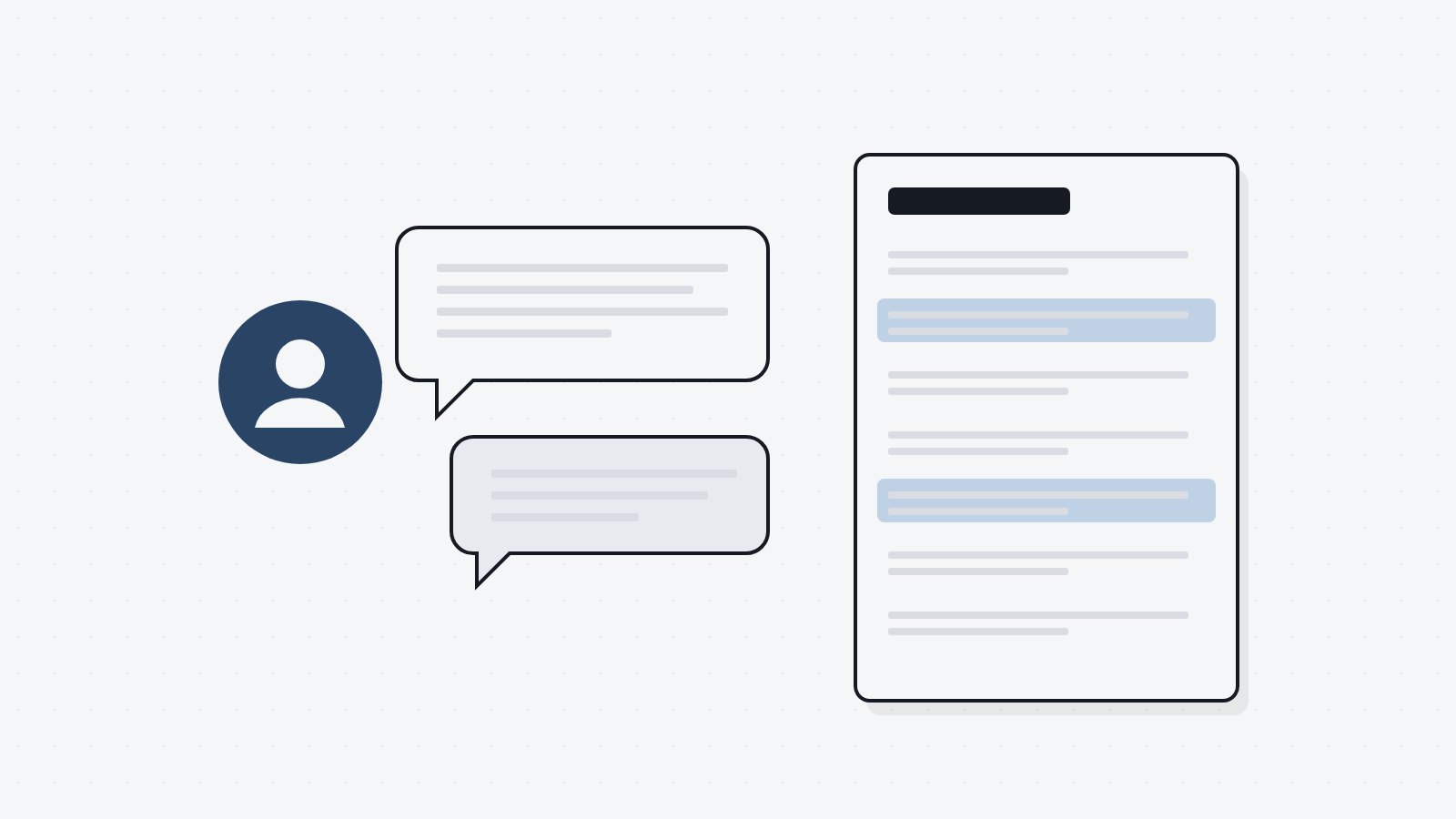
Start with the buyer’s words. Pull the phrases from discovery calls and from the RFP’s statement of need, and circle the ones that come up more than once. In the Fernhill concept, four quotes from the buyer’s dispatch leads sit near the front, word for word, and every chapter answers one of them.
Then list what only you can say. Be hard on this list. A real discriminator is something a competitor’s salesperson would dispute or have to work around. Experience, quality and partnership are on everyone’s list, so they don’t count until you can put a fact behind them.
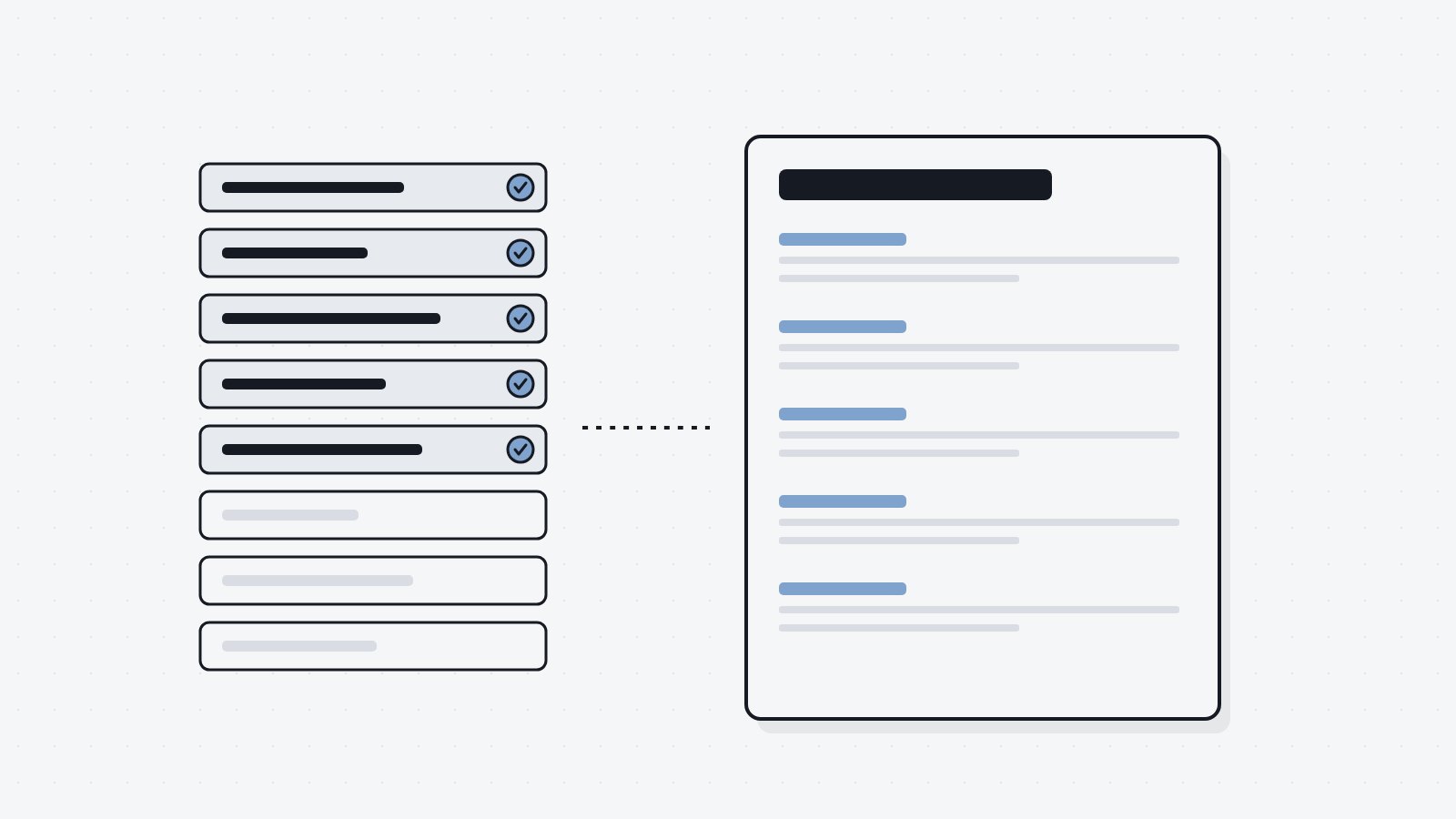
Now pair them. One buyer priority, one discriminator and one piece of proof, in a single sentence. Cut any pair without proof. If the evaluation scheme is published, make sure each theme maps to something that earns points. We’d end with one main theme and two supporting ones at most. A champion won’t carry more than that down a hallway.
Translate the theme for each reader
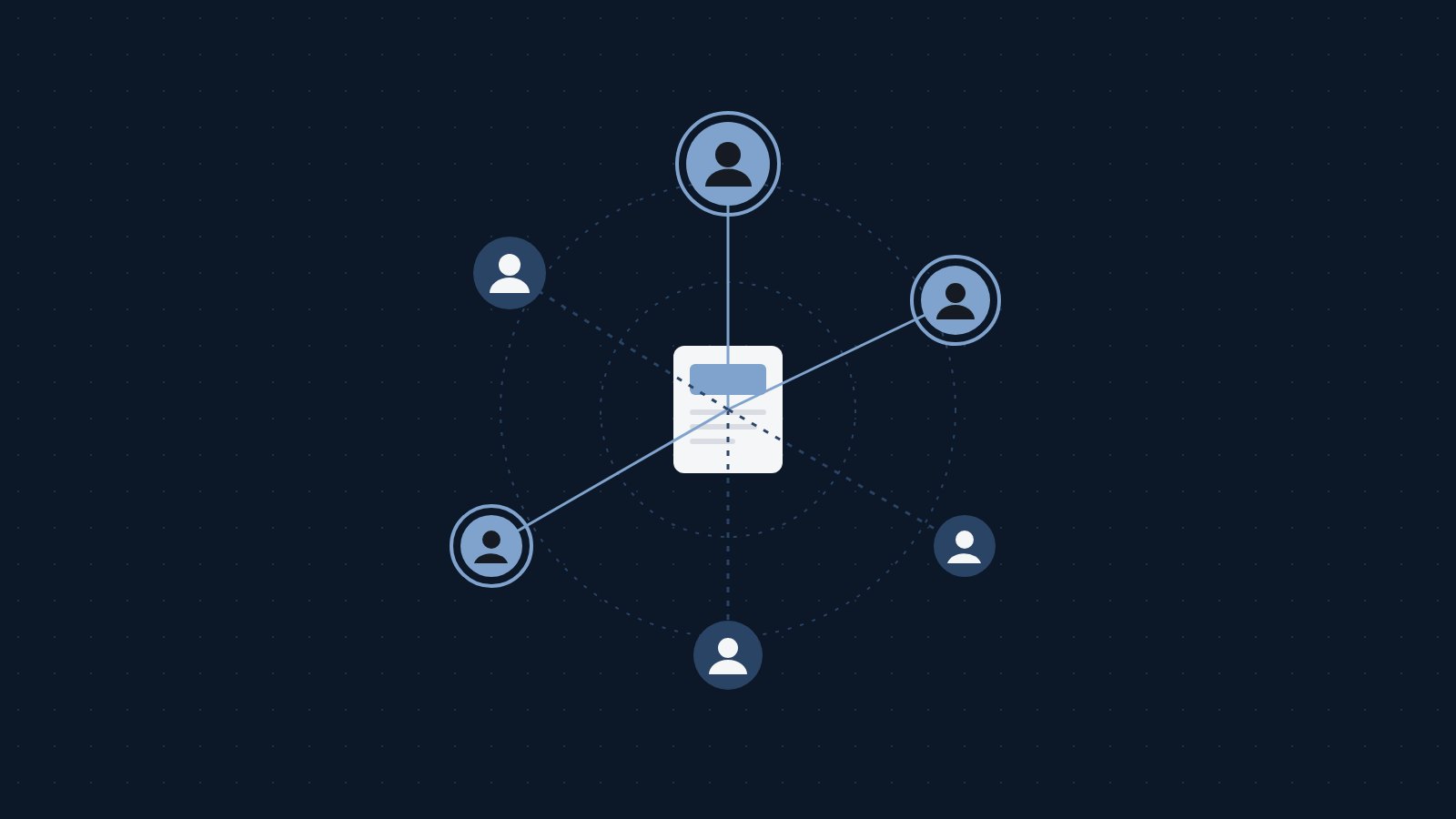
A buying committee won’t read one sentence the same way. The CFO wants the money version, the operations lead wants the calendar version and IT wants to know what could break. The theme stays put and the wording moves. Fernhill’s one schedule shows up like this.
| Reader | What they ask | The theme in their terms |
|---|---|---|
| Chief Financial Officer | What does each technician cost us? | $56 a technician a month in year one, everything included |
| VP Operations | Which weeks will my crews feel? | Four weeks out of twenty-four take any technician off the road, and never for more than two hours |
| Head of IT | What do we have to connect, and who owns it? | Every connection drawn with its owner, its week and what happens if it breaks |
For more on who those readers are, see your proposal has to win over the B2B buying committee.
Put it where a skimmer will see it
A theme buried on page nine does nothing. Plenty of readers skim first, so the theme has to show up in the parts they skim.
- The headline of the summary. Our free Executive Summary Builder has a prompt for exactly this, called “The one sentence your champion should repeat,” and it becomes the headline of the page.
- Section headings. Write headings that state the answer. “Four desks, then four regions” says more than “Implementation approach.”
- The price. Put the theme beside the number, so the pricing page says what the money buys.
- The proof. Place each case study next to the theme it backs up.
Pasting the same sentence into every section wears it out, so repeat the idea and let each section prove a piece of it. A theme can also be a device on the page. The Wickett Systems concept follows one claimant’s paper ticket, number 4417, from filing to first payment, so the whole response has a face the Secretary of Labor can retell in a sentence.
Where win themes go wrong
- Written last. A theme added in the final edit can’t shape the outline, so it reads like a sticker.
- About you. “Twenty years of excellence” describes your company. Turn it toward what the buyer gets.
- Too many. Give a champion seven themes and they’ll repeat none of them.
- No proof nearby. A claim in the summary with its evidence forty pages later gets forgotten.
- Aimed at a competitor by name. Say what you do well and let the buyer make the comparison.
How it plays out
Say a building controls company is pitching a property manager with 40 office buildings. Its draft theme says “a trusted partner for smart building transformation.” Nobody could argue with that, and nobody would repeat it.
The team goes back to its discovery notes. The facilities director said the same thing on three calls, that tenants can’t feel the changeover. The company’s one real difference is that it works overnight and keeps the old controls live until each building passes a test. So the theme becomes “Forty buildings changed over, and no tenant notices.”
Now each reader gets a version of it. The CFO sees the cost per building. The facilities director sees the plan night by night. Legal sees who carries the risk if a building fails its test. The summary opens on that sentence, the headings carry it and the proof is a similar portfolio the company has permission to describe. A champion can say that line in a hallway, and the rest of the proposal backs them up.
Questions we hear about win themes
How many win themes should a proposal have?
One main theme and up to two supporting ones is where we’d start. A long response might carry a theme per volume, as long as each one traces back to the main sentence.
What’s the difference between a win theme and a discriminator?
A discriminator is a fact about you that a competitor can’t claim. A win theme says what that fact means for this buyer and backs it with proof.
When should you write win themes?
Before the outline. Themes decide which sections get the most room, so they’re much harder to add later. Test them again at your first review.
Do win themes work outside government bids?
Yes, and they may matter more there. A commercial deal usually has no scoring sheet, so the sentence has to travel on its own from your champion to people you may never meet.
The short version
Write the sentence your champion should repeat. Run it through the four tests, translate it for each reader and put it where a skimmer will see it. If a competitor could sign it, keep working.
If you’ve got a deal where that sentence matters, start a proposal. We write the case first and build it as a live web proposal plus a PDF. On a $500K deal, a $7.5K proposal is 1.5 percent of what’s on the table.