Digital Sales Room vs Proposal, and Which Your Deal Needs

A digital sales room holds the deal’s documents. A proposal makes the case for buying. Here’s how to tell which one your deal needs, and when to run both.

A digital sales room holds the deal’s documents. A proposal makes the case for buying. Here’s how to tell which one your deal needs, and when to run both.

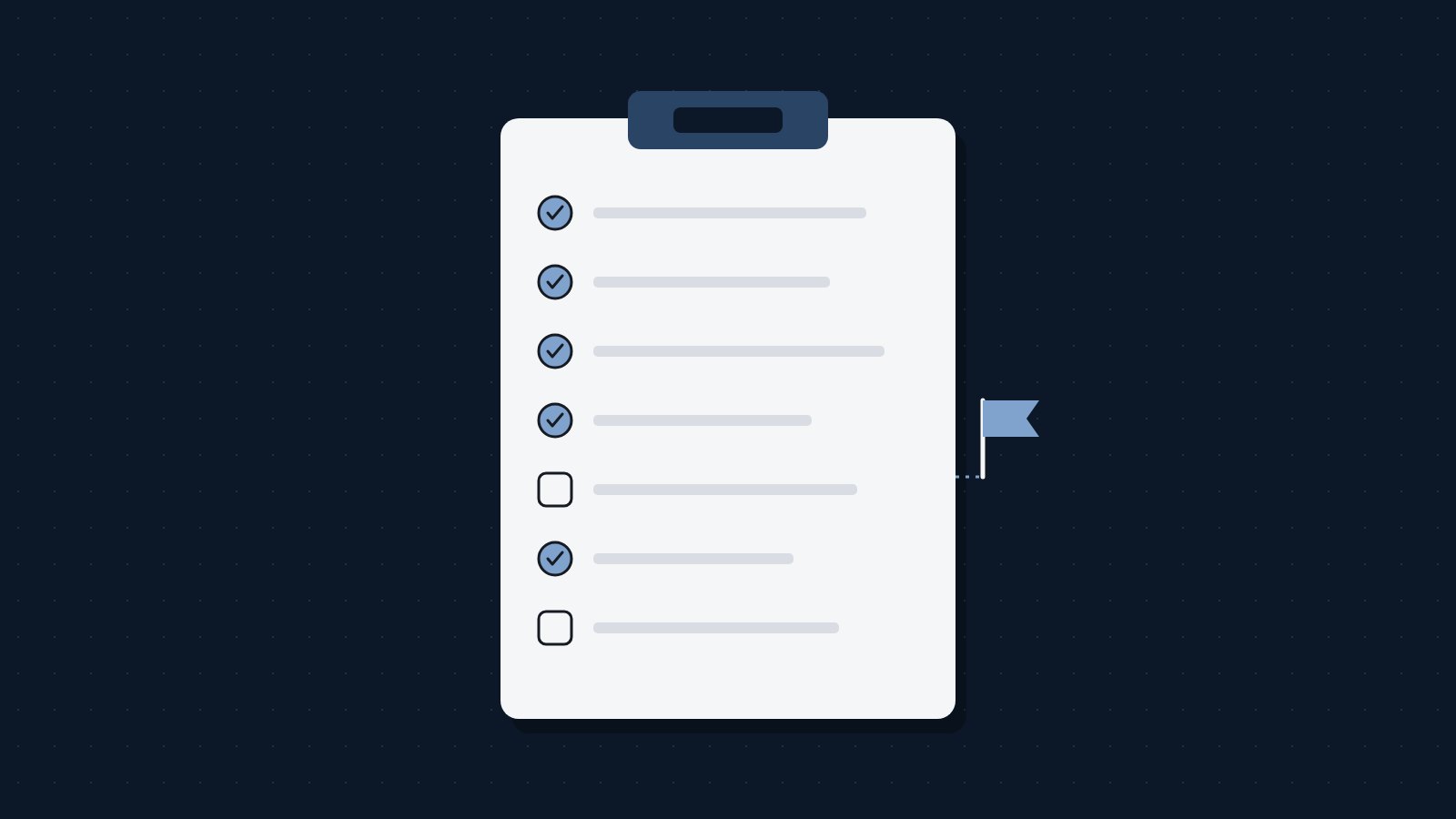
Cover illustration for Digital Sales Room vs Proposal, and Which Your Deal Needs, from the Closewell Studio blog on sales proposal design
Comparisons

The digital sales room vs proposal question comes up because the two can look alike. A live proposal and a sales room are both private web pages for one deal. They do different work. A digital sales room is a shared place for everything the deal needs. A proposal is the document that argues for buying. A deal with one decision and a few documents usually needs only the proposal. A long evaluation with lots of moving parts can use both.

We should say where we stand. We build proposals and we don’t sell a room, so read this knowing that. Our read, for what it’s worth coming from us, is that a room is useful software and someone still has to make the case.

What a digital sales room is

Gartner, which sells research on this market, describes digital sales rooms as private, persistent microsites that connect buying and selling teams and improve engagement across the customer journey. In plain terms, it’s one link the seller sets up for a deal and keeps adding to.

Hummingdeck, which sells one, lists the usual contents as a proposal, pricing, case studies, a contract and next steps. It also lists what the seller sees in return, like who opened each document, how long they spent on each page and whether they came back.

That’s helpful on a long deal. Nobody has to dig through email for the latest security packet, and the seller can tell when a new reader shows up.

What a proposal does

A proposal makes the case. It says what the buyer’s problem is in their words, what you’d do about it, what it costs next to what it buys, and what happens next. It’s written so your champion can carry it into meetings you’ll never be in, and so the rest of the buying committee can follow it without her.

Our Halfcourt concept, a retainer proposal for a footwear brand, shows what that looks like. Four people sign it, and each one gets a chapter that answers their question in full. The founder’s chapter asks whether more reach makes the brand less rare. The CFO’s asks what one drop costs. A room can hold a proposal like that, and somebody still has to write it.

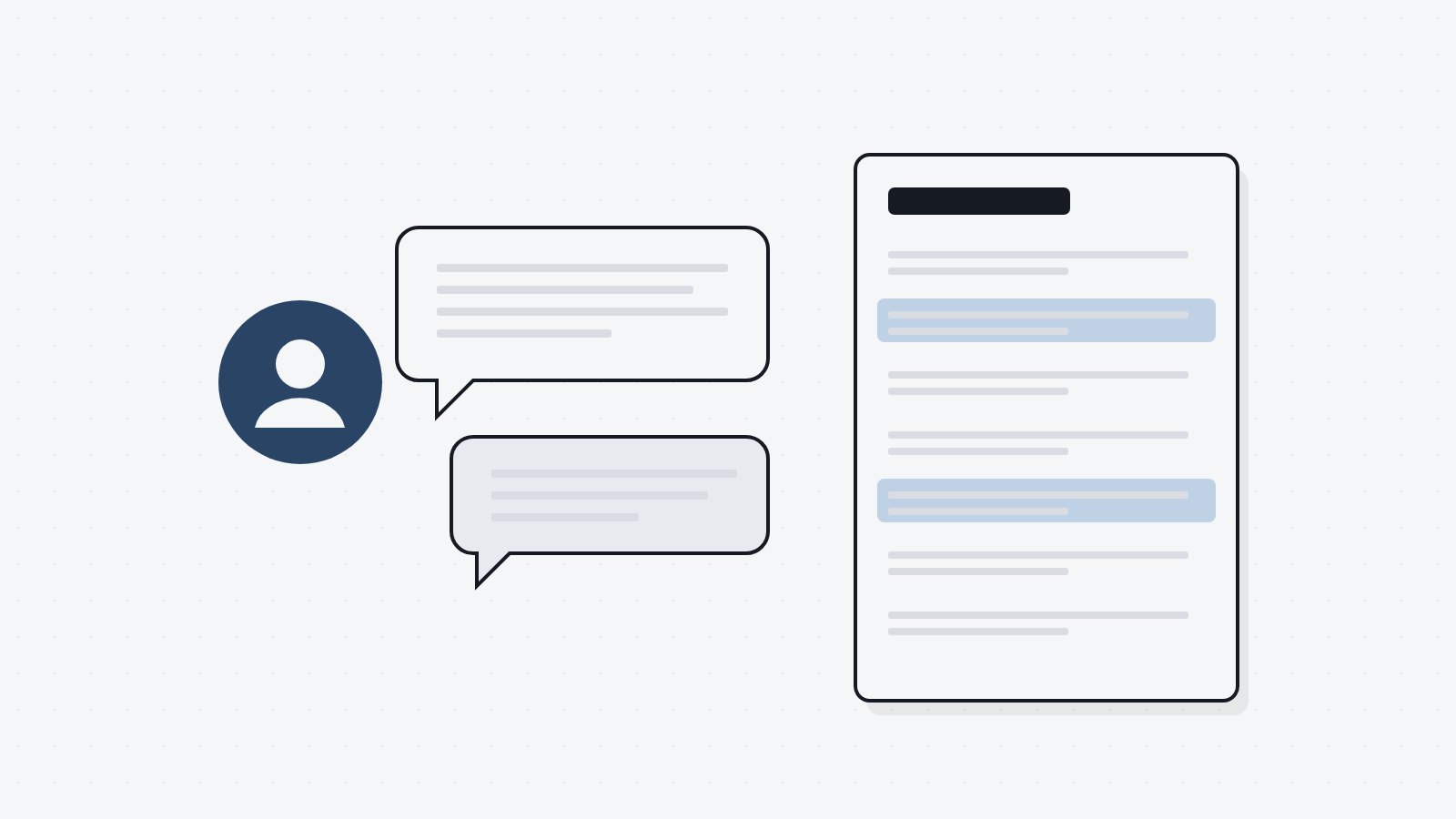
Our Clauseline concept takes that further. Each signer’s question appears as a margin comment, answered on the page and marked resolved. A room is built to host that back and forth, and here it’s done before anyone opens the page.

Digital sales room vs proposal, side by side

QuestionDigital sales roomProposal
Main jobKeep the deal’s documents, contacts and updates in one placeMake the case for buying
Who it’s forEveryone working the deal on both sidesThe people who decide, including the ones you’ll never meet
When it matters mostDuring a long evaluation with several workstreamsWhen someone has to say yes or ask for the money
How it changesYou keep adding to it as the deal movesIt’s a dated version, and it changes on purpose
What it takesA subscription and someone keeping it currentWriting, design and the buyer’s own numbers
Where it falls shortIt can’t tell the buyer why any of it mattersIt has no home for redlines, questionnaires and meeting notes

Where each one falls short

A room fails quietly. Documents pile up, and the buyer opens one link to find a dozen files and no clear place to start. Good branding on a folder still leaves the buyer to work out the argument alone.

Reading data has limits too. Hummingdeck’s own guide says a room won’t fix a bad product or a wrong-fit prospect. It also says an extra viewer on the record is a reason to ask a question, because the link may have been forwarded or opened on another device. We agree. The data tells you when to pick up the phone. It can’t tell you what they thought.

A proposal fails differently. Once it’s sent, the rest of the deal has to live somewhere else. The security questionnaire, the contract redlines and the implementation plan scatter across inboxes. A proposal sent only as a static PDF also can’t change without a new attachment, which we get into in interactive vs PDF proposals.

Proposify, which sells proposal software, says rooms are best kept for highly complex enterprise sales with many assets and decision makers. Hummingdeck says proposal tools are for creating documents and rooms are for sharing and tracking them. Each one’s advice favors what it sells. Use them for the feature lists and make the call from your deal.

Which one your deal needs

Ask what’s in the way of a yes. If the buyer is missing a reason, you need a better proposal. If the buyer has a reason and is lost in the paperwork, you need a room.

  • One buyer, one decision, a few documents. The proposal alone. A live link and a PDF cover it, and a room adds a step between the buyer and the argument.
  • Several signers, one main decision. Still the proposal, with a chapter for each signer. That’s what our Signature build is for.
  • Months of evaluation with workstreams running at once. Security review, legal, pilots and rollout planning. Run a room, and put the proposal at the front of it.
  • A formal RFP. Follow the submission rules. Evaluators score what comes in through the route the solicitation names, so a room won’t help much there. Making the shortlist is the job to focus on.

How to run both

If you use both, a few rules keep them from working against each other.

  • Put the proposal first. It’s the first thing a new reader opens, and it explains why everything else is there.
  • Keep one source for every number. A buyer who finds two prices in two files stops trusting both.
  • Keep the plan in the proposal. A mutual action plan works best inside the document the whole team reads, and the room can point to it. Our free mutual action plan template builds one back from the date the buyer cares about.
  • Retire old versions. When the proposal changes, replace it and say what changed.
  • Keep a PDF. Procurement, legal and finance often want a file they can save.

A use case

Take a software company six weeks into an enterprise evaluation. The seller has set up a room with a product overview, three case studies, a security packet, a pricing sheet and a plan. The champion likes it and sends the link to her CFO. The CFO opens it, sees a row of files, clicks pricing, finds a number with no context and moves on to the next thing on her desk.

Nothing’s wrong with the room. No file in it says why the company should spend that money this year.

So the seller puts one proposal at the top. It opens with the problem in the champion’s words, gives the CFO a page on total cost and what it replaces, points IT to the security packet and ends with dates. The other files stay where they are. Now the CFO has a place to start.

Questions we hear about digital sales rooms

Is a live web proposal a digital sales room?

They overlap, and they’re built for different jobs. A live web proposal is one private page that makes one case, with pricing the buyer can change and a chapter for each reader where the deal needs it. It doesn’t try to hold your redlines or run a shared workspace. That’s the room’s job.

Do you build digital sales rooms?

No. We write, design and build the proposal, as a live web link and a matching PDF. Both can go into whatever room your team already uses.

Do we need a separate room if our proposal software has one?

Maybe not. Some tools do both, and Hummingdeck names PandaDoc and GetAccept as examples. Try what you already pay for before adding a seat. We compare the main proposal tools in PandaDoc vs Proposify vs Qwilr.

Is a digital sales room the same as a data room?

No. Hummingdeck’s guide says a room doesn’t replace the per-file permissions, NDA gates and audit features a data room gives you for formal due diligence. If the buyer’s lawyers ask for a data room, give them one.

Should we track who reads what?

You can, and it helps you time a follow-up. Tell the buyer when you do. Nobody enjoys finding out later that their reading was being logged.

The short version

A digital sales room holds the deal, and a proposal makes the case. If you’ve got one decision and a few documents, the proposal is enough. If you’ve got months of workstreams, run a room with the proposal at the front of it. Either way, the buyer still needs one document that says why this, why you and why now.

That document is what we build, and our sales proposal examples show how it looks. A custom sales proposal from us is written, designed and built for one deal, and it ships as a live web proposal plus a PDF. If you’ve got a deal like that coming up, start a proposal.

Sources

More notes

All notes
Cover illustration for Digital Sales Room vs Proposal, and Which Your Deal Needs, from the Closewell Studio blog on sales proposal design
Comparisons

The digital sales room vs proposal question comes up because the two can look alike. A live proposal and a sales room are both private web pages for one deal. They do different work. A digital sales room is a shared place for everything the deal needs. A proposal is the document that argues for buying. A deal with one decision and a few documents usually needs only the proposal. A long evaluation with lots of moving parts can use both.

We should say where we stand. We build proposals and we don’t sell a room, so read this knowing that. Our read, for what it’s worth coming from us, is that a room is useful software and someone still has to make the case.

What a digital sales room is

Gartner, which sells research on this market, describes digital sales rooms as private, persistent microsites that connect buying and selling teams and improve engagement across the customer journey. In plain terms, it’s one link the seller sets up for a deal and keeps adding to.

Hummingdeck, which sells one, lists the usual contents as a proposal, pricing, case studies, a contract and next steps. It also lists what the seller sees in return, like who opened each document, how long they spent on each page and whether they came back.

That’s helpful on a long deal. Nobody has to dig through email for the latest security packet, and the seller can tell when a new reader shows up.

What a proposal does

A proposal makes the case. It says what the buyer’s problem is in their words, what you’d do about it, what it costs next to what it buys, and what happens next. It’s written so your champion can carry it into meetings you’ll never be in, and so the rest of the buying committee can follow it without her.

Our Halfcourt concept, a retainer proposal for a footwear brand, shows what that looks like. Four people sign it, and each one gets a chapter that answers their question in full. The founder’s chapter asks whether more reach makes the brand less rare. The CFO’s asks what one drop costs. A room can hold a proposal like that, and somebody still has to write it.

Our Clauseline concept takes that further. Each signer’s question appears as a margin comment, answered on the page and marked resolved. A room is built to host that back and forth, and here it’s done before anyone opens the page.

Digital sales room vs proposal, side by side

QuestionDigital sales roomProposal
Main jobKeep the deal’s documents, contacts and updates in one placeMake the case for buying
Who it’s forEveryone working the deal on both sidesThe people who decide, including the ones you’ll never meet
When it matters mostDuring a long evaluation with several workstreamsWhen someone has to say yes or ask for the money
How it changesYou keep adding to it as the deal movesIt’s a dated version, and it changes on purpose
What it takesA subscription and someone keeping it currentWriting, design and the buyer’s own numbers
Where it falls shortIt can’t tell the buyer why any of it mattersIt has no home for redlines, questionnaires and meeting notes

Where each one falls short

A room fails quietly. Documents pile up, and the buyer opens one link to find a dozen files and no clear place to start. Good branding on a folder still leaves the buyer to work out the argument alone.

Reading data has limits too. Hummingdeck’s own guide says a room won’t fix a bad product or a wrong-fit prospect. It also says an extra viewer on the record is a reason to ask a question, because the link may have been forwarded or opened on another device. We agree. The data tells you when to pick up the phone. It can’t tell you what they thought.

A proposal fails differently. Once it’s sent, the rest of the deal has to live somewhere else. The security questionnaire, the contract redlines and the implementation plan scatter across inboxes. A proposal sent only as a static PDF also can’t change without a new attachment, which we get into in interactive vs PDF proposals.

Proposify, which sells proposal software, says rooms are best kept for highly complex enterprise sales with many assets and decision makers. Hummingdeck says proposal tools are for creating documents and rooms are for sharing and tracking them. Each one’s advice favors what it sells. Use them for the feature lists and make the call from your deal.

Which one your deal needs

Ask what’s in the way of a yes. If the buyer is missing a reason, you need a better proposal. If the buyer has a reason and is lost in the paperwork, you need a room.

  • One buyer, one decision, a few documents. The proposal alone. A live link and a PDF cover it, and a room adds a step between the buyer and the argument.
  • Several signers, one main decision. Still the proposal, with a chapter for each signer. That’s what our Signature build is for.
  • Months of evaluation with workstreams running at once. Security review, legal, pilots and rollout planning. Run a room, and put the proposal at the front of it.
  • A formal RFP. Follow the submission rules. Evaluators score what comes in through the route the solicitation names, so a room won’t help much there. Making the shortlist is the job to focus on.

How to run both

If you use both, a few rules keep them from working against each other.

  • Put the proposal first. It’s the first thing a new reader opens, and it explains why everything else is there.
  • Keep one source for every number. A buyer who finds two prices in two files stops trusting both.
  • Keep the plan in the proposal. A mutual action plan works best inside the document the whole team reads, and the room can point to it. Our free mutual action plan template builds one back from the date the buyer cares about.
  • Retire old versions. When the proposal changes, replace it and say what changed.
  • Keep a PDF. Procurement, legal and finance often want a file they can save.

A use case

Take a software company six weeks into an enterprise evaluation. The seller has set up a room with a product overview, three case studies, a security packet, a pricing sheet and a plan. The champion likes it and sends the link to her CFO. The CFO opens it, sees a row of files, clicks pricing, finds a number with no context and moves on to the next thing on her desk.

Nothing’s wrong with the room. No file in it says why the company should spend that money this year.

So the seller puts one proposal at the top. It opens with the problem in the champion’s words, gives the CFO a page on total cost and what it replaces, points IT to the security packet and ends with dates. The other files stay where they are. Now the CFO has a place to start.

Questions we hear about digital sales rooms

Is a live web proposal a digital sales room?

They overlap, and they’re built for different jobs. A live web proposal is one private page that makes one case, with pricing the buyer can change and a chapter for each reader where the deal needs it. It doesn’t try to hold your redlines or run a shared workspace. That’s the room’s job.

Do you build digital sales rooms?

No. We write, design and build the proposal, as a live web link and a matching PDF. Both can go into whatever room your team already uses.

Do we need a separate room if our proposal software has one?

Maybe not. Some tools do both, and Hummingdeck names PandaDoc and GetAccept as examples. Try what you already pay for before adding a seat. We compare the main proposal tools in PandaDoc vs Proposify vs Qwilr.

Is a digital sales room the same as a data room?

No. Hummingdeck’s guide says a room doesn’t replace the per-file permissions, NDA gates and audit features a data room gives you for formal due diligence. If the buyer’s lawyers ask for a data room, give them one.

Should we track who reads what?

You can, and it helps you time a follow-up. Tell the buyer when you do. Nobody enjoys finding out later that their reading was being logged.

The short version

A digital sales room holds the deal, and a proposal makes the case. If you’ve got one decision and a few documents, the proposal is enough. If you’ve got months of workstreams, run a room with the proposal at the front of it. Either way, the buyer still needs one document that says why this, why you and why now.

That document is what we build, and our sales proposal examples show how it looks. A custom sales proposal from us is written, designed and built for one deal, and it ships as a live web proposal plus a PDF. If you’ve got a deal like that coming up, start a proposal.

Sources

Share this note

XLinkedIn

More notes

All notes

Tell us the deal in a line. We’ll read it and come back with a plan and a price.

Try

Tell us the deal in a line. We’ll read it and come back with a plan and a price.

See the work

Tell us the deal in a line. We’ll read it and come back with a plan and a price.

Try