The Bid/No-Bid Decision, Scored Honestly

Too many teams score an RFP after they’ve decided to chase it. Here’s how to run the call so the score is allowed to say no, with a free scorecard.

Too many teams score an RFP after they’ve decided to chase it. Here’s how to run the call so the score is allowed to say no, with a free scorecard.

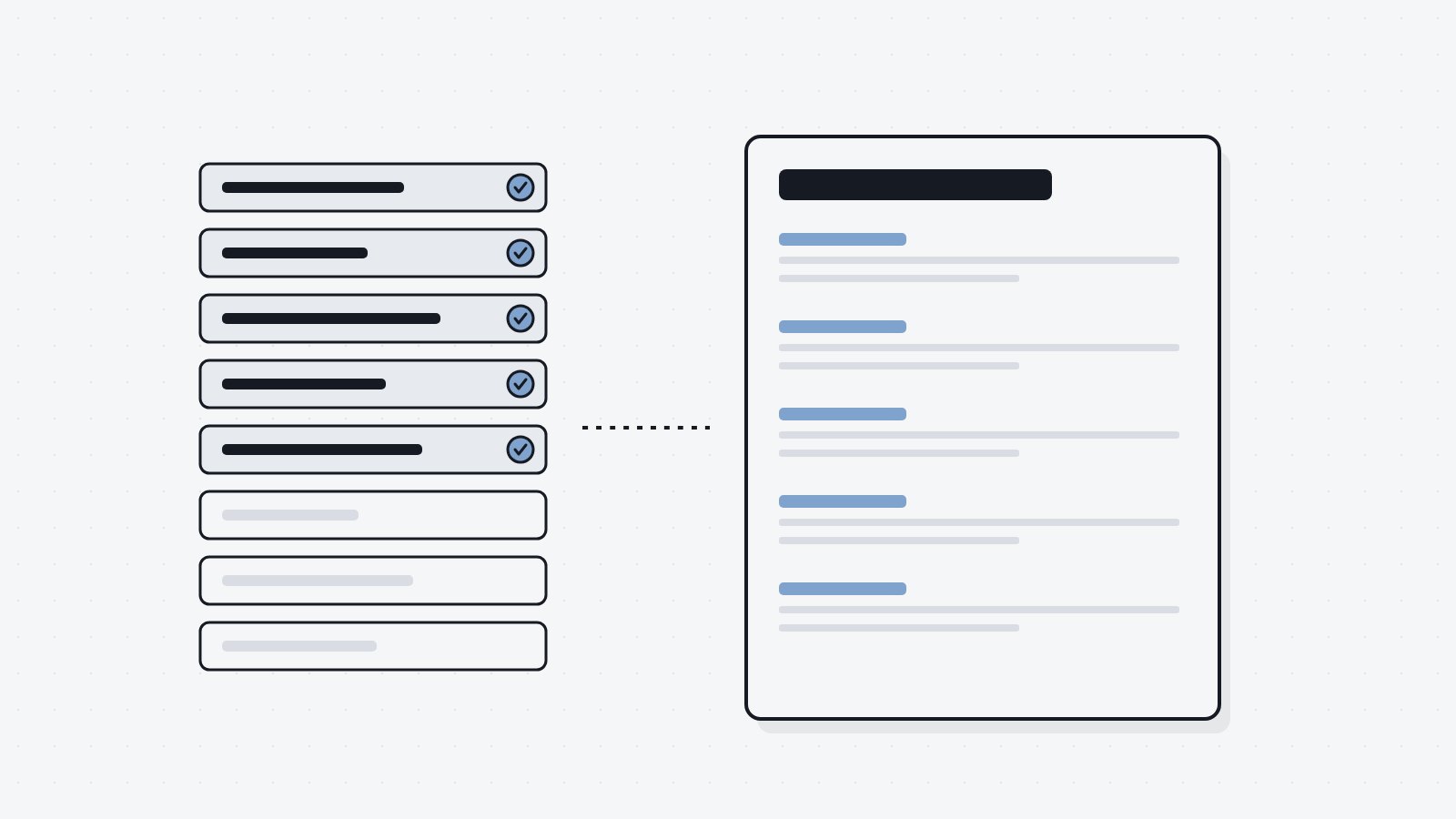
Cover illustration for The Bid/No-Bid Decision, Scored Honestly, from the Closewell Studio blog on sales proposal design
How-to

A bid/no-bid decision is the call on whether an RFP deserves your team’s time. Make it in the first days after release. Check the deal breakers, score the opportunity on fit, competition and capacity, then take a hard look at the three weakest answers. Our read is that most teams skip that last part. They score the RFP after they’ve already decided to chase it, so the number can only ever say yes. You can run our free scorecard while you read.

What a yes costs

Loopio, which sells RFP software and has an interest in making this sound important, publishes yearly benchmarks from more than 1,500 teams. Its 2026 numbers show teams spending an average of 33 hours per RFP and responding to 55 percent of the RFPs they receive. It also says 75 percent of teams use a go/no-go process, rising to 81 percent among top performers.

Thirty-three hours is an average, so our read is that the bids that matter to you eat a lot more. The bigger cost never shows up on a timesheet. Your best writer spends two weeks on a bid you were never going to win, and the good one that came in on Tuesday gets her leftovers.

We’d also go easy on reading much into the gap between 75 and 81 percent. A process doesn’t stop anyone from bidding on everything, and a scorecard only helps if it’s allowed to say no.

How to make a bid/no-bid decision

Run it in three passes, in this order. Deal breakers, then a weighted score, then the weakest three. Have two people score separately, the person who’d lead the bid and someone who wouldn’t. The gaps between their scores tell you where to argue.

Start with the deal breakers

These don’t get weighed against anything. One of them stops the conversation, unless someone can name the fix and the date it happens.

  • We can’t meet a mandatory requirement.
  • We’re missing a required certification or registration.
  • We can’t meet the deadline with a quality response.
  • The contract terms carry risk we won’t accept.

Keep these apart from a requirement you can only meet in part. A missed mandatory can get a response thrown out before anyone scores it. A partial answer on a scored item is something you can say out loud. Our Plainspoke concept tells the panel it meets 31 of 33 requirements and two in part, and names the two. The Greyfield Hauling concept does the same with two partials and one clause it asks the city to change. None of those would stop a bid.

Then score the opportunity

Score each of these from 1 to 5. The weights are the defaults in our scorecard, and you can change them. Relationship, fit and requirements count most, because you can’t write your way past any of them.

CriterionWeightA 1 looks likeA 5 looks like
Relationship before the RFP3We’d never spoken to themWe helped shape the need
Fit with our core work3Outside what we doExactly what we do best
Meeting the requirements3Big gapsEvery requirement covered
Relevant past performance2Nothing comparableSeveral strong matches
Competitive position2An incumbent is favoredWe’re the favorite
Price competitiveness2We’ll likely be highWe can be sharp and still profit
Profit potential2Thin or negativeHealthy margin
Team capacity2We’d have to pull people off other workThe team is available
Risk in delivery2HighLow
Time to respond1Far too tightComfortable
Strategic value1A one-offOpens a new agency or market

Multiply each score by its weight, add them up and divide by the maximum. Our defaults say bid at 70 percent or above, pass under 50, and treat anything between as a bid only if you can fix the weak spots. Those lines are a starting point. After a year of comparing scores with results, you’ll know where yours belong.

Strategic value carries the lowest weight on purpose. It’s the argument every weak bid makes for itself.

How it plays out

Here’s an example, and it’s the one you’ll see when you click See an example in the scorecard. A state department of technology issues an IT modernization RFP worth $2.4M over three years, due in 24 days. No deal breakers apply. The team gives a 4 to fit, past performance, requirements, profit, risk and strategic value. Price, capacity and time get a 3. Competitive position gets a 2, because the incumbent has run the current system for eight years. Relationship gets a 1, because first contact was the RFP release and nobody knows the program office.

That comes to 74 of a possible 115, or 64 percent, which is the middle band. The weakest three are relationship, competitive position and price, with capacity tied for third because two leads are booked on another bid until the end of the month.

So go through them one at a time. Capacity and price can be fixed, with a staffing call and a sharper number. Relationship can’t be fixed in 24 days, and an eight-year incumbent doesn’t get weaker because you wrote well. That leaves two of the three out of your hands, on a bid whose main attraction is being your first contract with this state.

We’d call it a pass, unless someone can tell you why this buyer wants to leave its incumbent. If nobody on your team can answer that, write the no-bid note and start building the relationship for the next one.

Decide twice

A call made on release day is working with partial information. Vendor questions get answered, and amendments add requirements or move dates. So put a second look on the calendar right after the questions deadline, and let the score change. Our RFP timeline planner gives the decision its own phase, and you can add a second one beside it.

Teams treat a yes as permanent, mostly because nobody wants to be the one who calls it off. Walking away after a week costs you a week.

How to tell the buyer you’re passing

Do it as soon as you’ve decided, and keep it short. Give one true reason, say you’d like to stay on the list and ask about the next one. Here’s a note you can adapt.

Thanks for including us on your facilities RFP. We’ve decided not to respond this time, because our team is committed through your due date and we wouldn’t give it the response it deserves. We’d like to stay on your list, and we’d be glad to talk before the next one goes out.

That last sentence is the reason to send it. If the relationship scored a 1 this time, this note is how it scores higher next time.

Where the score gets gamed

  • Scoring after kickoff. Once writers are assigned, the score is a formality. Do it before an outline exists.
  • Letting the champion score alone. The person who wants the bid will find a 4 everywhere. That’s what the second scorer is for.
  • Using strategic value as an override. Some bids are worth losing, for the learning or the introduction. Call that a marketing expense and cap the hours.
  • Never looking back. Save each scorecard and compare it with how the bid turned out. A win/loss analysis will tell you which criteria predict anything for your team.

Questions we hear about the bid/no-bid decision

When should we make the call?

In the first few days after release, before anyone starts an outline. Then look again after the questions deadline.

Who should be in the room?

The person who’d lead the bid, someone who wouldn’t, whoever owns pricing and whoever would have to deliver the work. Keep it small, because a big meeting turns into a vote on morale.

What if leadership wants to bid anyway?

Then bid, and write down why, along with the weak spots you’re accepting and a cap on hours. The reason should fit in one sentence, and you’ll want it when the results come in.

Is this different for government RFPs?

The logic is the same. Government bids add hard gates like registrations and certifications, and you can read the evaluation factors in advance. Our post on the government RFP response goes further, and our compliance matrix post covers how to pull out every requirement.

The short version

A good bid/no-bid decision doesn’t need a long meeting. Deal breakers first, then a weighted score from two people, then an honest look at the weakest three and whether you can fix them before the deadline. Look again after the questions deadline. If it’s a pass, say so quickly and ask about the next one. If it’s a yes, start from our RFP response template.

If it’s a yes and the deal would change your year, our RFP response work is a Board build, from $20K, with a compliance matrix, every required section, a portal-ready PDF and a live version for the people who decide. Read how to write one that makes the shortlist, or send us the RFP.

Sources

More notes

All notes
Cover illustration for The Bid/No-Bid Decision, Scored Honestly, from the Closewell Studio blog on sales proposal design
How-to

A bid/no-bid decision is the call on whether an RFP deserves your team’s time. Make it in the first days after release. Check the deal breakers, score the opportunity on fit, competition and capacity, then take a hard look at the three weakest answers. Our read is that most teams skip that last part. They score the RFP after they’ve already decided to chase it, so the number can only ever say yes. You can run our free scorecard while you read.

What a yes costs

Loopio, which sells RFP software and has an interest in making this sound important, publishes yearly benchmarks from more than 1,500 teams. Its 2026 numbers show teams spending an average of 33 hours per RFP and responding to 55 percent of the RFPs they receive. It also says 75 percent of teams use a go/no-go process, rising to 81 percent among top performers.

Thirty-three hours is an average, so our read is that the bids that matter to you eat a lot more. The bigger cost never shows up on a timesheet. Your best writer spends two weeks on a bid you were never going to win, and the good one that came in on Tuesday gets her leftovers.

We’d also go easy on reading much into the gap between 75 and 81 percent. A process doesn’t stop anyone from bidding on everything, and a scorecard only helps if it’s allowed to say no.

How to make a bid/no-bid decision

Run it in three passes, in this order. Deal breakers, then a weighted score, then the weakest three. Have two people score separately, the person who’d lead the bid and someone who wouldn’t. The gaps between their scores tell you where to argue.

Start with the deal breakers

These don’t get weighed against anything. One of them stops the conversation, unless someone can name the fix and the date it happens.

  • We can’t meet a mandatory requirement.
  • We’re missing a required certification or registration.
  • We can’t meet the deadline with a quality response.
  • The contract terms carry risk we won’t accept.

Keep these apart from a requirement you can only meet in part. A missed mandatory can get a response thrown out before anyone scores it. A partial answer on a scored item is something you can say out loud. Our Plainspoke concept tells the panel it meets 31 of 33 requirements and two in part, and names the two. The Greyfield Hauling concept does the same with two partials and one clause it asks the city to change. None of those would stop a bid.

Then score the opportunity

Score each of these from 1 to 5. The weights are the defaults in our scorecard, and you can change them. Relationship, fit and requirements count most, because you can’t write your way past any of them.

CriterionWeightA 1 looks likeA 5 looks like
Relationship before the RFP3We’d never spoken to themWe helped shape the need
Fit with our core work3Outside what we doExactly what we do best
Meeting the requirements3Big gapsEvery requirement covered
Relevant past performance2Nothing comparableSeveral strong matches
Competitive position2An incumbent is favoredWe’re the favorite
Price competitiveness2We’ll likely be highWe can be sharp and still profit
Profit potential2Thin or negativeHealthy margin
Team capacity2We’d have to pull people off other workThe team is available
Risk in delivery2HighLow
Time to respond1Far too tightComfortable
Strategic value1A one-offOpens a new agency or market

Multiply each score by its weight, add them up and divide by the maximum. Our defaults say bid at 70 percent or above, pass under 50, and treat anything between as a bid only if you can fix the weak spots. Those lines are a starting point. After a year of comparing scores with results, you’ll know where yours belong.

Strategic value carries the lowest weight on purpose. It’s the argument every weak bid makes for itself.

How it plays out

Here’s an example, and it’s the one you’ll see when you click See an example in the scorecard. A state department of technology issues an IT modernization RFP worth $2.4M over three years, due in 24 days. No deal breakers apply. The team gives a 4 to fit, past performance, requirements, profit, risk and strategic value. Price, capacity and time get a 3. Competitive position gets a 2, because the incumbent has run the current system for eight years. Relationship gets a 1, because first contact was the RFP release and nobody knows the program office.

That comes to 74 of a possible 115, or 64 percent, which is the middle band. The weakest three are relationship, competitive position and price, with capacity tied for third because two leads are booked on another bid until the end of the month.

So go through them one at a time. Capacity and price can be fixed, with a staffing call and a sharper number. Relationship can’t be fixed in 24 days, and an eight-year incumbent doesn’t get weaker because you wrote well. That leaves two of the three out of your hands, on a bid whose main attraction is being your first contract with this state.

We’d call it a pass, unless someone can tell you why this buyer wants to leave its incumbent. If nobody on your team can answer that, write the no-bid note and start building the relationship for the next one.

Decide twice

A call made on release day is working with partial information. Vendor questions get answered, and amendments add requirements or move dates. So put a second look on the calendar right after the questions deadline, and let the score change. Our RFP timeline planner gives the decision its own phase, and you can add a second one beside it.

Teams treat a yes as permanent, mostly because nobody wants to be the one who calls it off. Walking away after a week costs you a week.

How to tell the buyer you’re passing

Do it as soon as you’ve decided, and keep it short. Give one true reason, say you’d like to stay on the list and ask about the next one. Here’s a note you can adapt.

Thanks for including us on your facilities RFP. We’ve decided not to respond this time, because our team is committed through your due date and we wouldn’t give it the response it deserves. We’d like to stay on your list, and we’d be glad to talk before the next one goes out.

That last sentence is the reason to send it. If the relationship scored a 1 this time, this note is how it scores higher next time.

Where the score gets gamed

  • Scoring after kickoff. Once writers are assigned, the score is a formality. Do it before an outline exists.
  • Letting the champion score alone. The person who wants the bid will find a 4 everywhere. That’s what the second scorer is for.
  • Using strategic value as an override. Some bids are worth losing, for the learning or the introduction. Call that a marketing expense and cap the hours.
  • Never looking back. Save each scorecard and compare it with how the bid turned out. A win/loss analysis will tell you which criteria predict anything for your team.

Questions we hear about the bid/no-bid decision

When should we make the call?

In the first few days after release, before anyone starts an outline. Then look again after the questions deadline.

Who should be in the room?

The person who’d lead the bid, someone who wouldn’t, whoever owns pricing and whoever would have to deliver the work. Keep it small, because a big meeting turns into a vote on morale.

What if leadership wants to bid anyway?

Then bid, and write down why, along with the weak spots you’re accepting and a cap on hours. The reason should fit in one sentence, and you’ll want it when the results come in.

Is this different for government RFPs?

The logic is the same. Government bids add hard gates like registrations and certifications, and you can read the evaluation factors in advance. Our post on the government RFP response goes further, and our compliance matrix post covers how to pull out every requirement.

The short version

A good bid/no-bid decision doesn’t need a long meeting. Deal breakers first, then a weighted score from two people, then an honest look at the weakest three and whether you can fix them before the deadline. Look again after the questions deadline. If it’s a pass, say so quickly and ask about the next one. If it’s a yes, start from our RFP response template.

If it’s a yes and the deal would change your year, our RFP response work is a Board build, from $20K, with a compliance matrix, every required section, a portal-ready PDF and a live version for the people who decide. Read how to write one that makes the shortlist, or send us the RFP.

Sources

Share this note

XLinkedIn

More notes

All notes
Cover illustration for The Bid/No-Bid Decision, Scored Honestly, from the Closewell Studio blog on sales proposal design
How-to

A bid/no-bid decision is the call on whether an RFP deserves your team’s time. Make it in the first days after release. Check the deal breakers, score the opportunity on fit, competition and capacity, then take a hard look at the three weakest answers. Our read is that most teams skip that last part. They score the RFP after they’ve already decided to chase it, so the number can only ever say yes. You can run our free scorecard while you read.

What a yes costs

Loopio, which sells RFP software and has an interest in making this sound important, publishes yearly benchmarks from more than 1,500 teams. Its 2026 numbers show teams spending an average of 33 hours per RFP and responding to 55 percent of the RFPs they receive. It also says 75 percent of teams use a go/no-go process, rising to 81 percent among top performers.

Thirty-three hours is an average, so our read is that the bids that matter to you eat a lot more. The bigger cost never shows up on a timesheet. Your best writer spends two weeks on a bid you were never going to win, and the good one that came in on Tuesday gets her leftovers.

We’d also go easy on reading much into the gap between 75 and 81 percent. A process doesn’t stop anyone from bidding on everything, and a scorecard only helps if it’s allowed to say no.

How to make a bid/no-bid decision

Run it in three passes, in this order. Deal breakers, then a weighted score, then the weakest three. Have two people score separately, the person who’d lead the bid and someone who wouldn’t. The gaps between their scores tell you where to argue.

Start with the deal breakers

These don’t get weighed against anything. One of them stops the conversation, unless someone can name the fix and the date it happens.

  • We can’t meet a mandatory requirement.
  • We’re missing a required certification or registration.
  • We can’t meet the deadline with a quality response.
  • The contract terms carry risk we won’t accept.

Keep these apart from a requirement you can only meet in part. A missed mandatory can get a response thrown out before anyone scores it. A partial answer on a scored item is something you can say out loud. Our Plainspoke concept tells the panel it meets 31 of 33 requirements and two in part, and names the two. The Greyfield Hauling concept does the same with two partials and one clause it asks the city to change. None of those would stop a bid.

Then score the opportunity

Score each of these from 1 to 5. The weights are the defaults in our scorecard, and you can change them. Relationship, fit and requirements count most, because you can’t write your way past any of them.

CriterionWeightA 1 looks likeA 5 looks like
Relationship before the RFP3We’d never spoken to themWe helped shape the need
Fit with our core work3Outside what we doExactly what we do best
Meeting the requirements3Big gapsEvery requirement covered
Relevant past performance2Nothing comparableSeveral strong matches
Competitive position2An incumbent is favoredWe’re the favorite
Price competitiveness2We’ll likely be highWe can be sharp and still profit
Profit potential2Thin or negativeHealthy margin
Team capacity2We’d have to pull people off other workThe team is available
Risk in delivery2HighLow
Time to respond1Far too tightComfortable
Strategic value1A one-offOpens a new agency or market

Multiply each score by its weight, add them up and divide by the maximum. Our defaults say bid at 70 percent or above, pass under 50, and treat anything between as a bid only if you can fix the weak spots. Those lines are a starting point. After a year of comparing scores with results, you’ll know where yours belong.

Strategic value carries the lowest weight on purpose. It’s the argument every weak bid makes for itself.

How it plays out

Here’s an example, and it’s the one you’ll see when you click See an example in the scorecard. A state department of technology issues an IT modernization RFP worth $2.4M over three years, due in 24 days. No deal breakers apply. The team gives a 4 to fit, past performance, requirements, profit, risk and strategic value. Price, capacity and time get a 3. Competitive position gets a 2, because the incumbent has run the current system for eight years. Relationship gets a 1, because first contact was the RFP release and nobody knows the program office.

That comes to 74 of a possible 115, or 64 percent, which is the middle band. The weakest three are relationship, competitive position and price, with capacity tied for third because two leads are booked on another bid until the end of the month.

So go through them one at a time. Capacity and price can be fixed, with a staffing call and a sharper number. Relationship can’t be fixed in 24 days, and an eight-year incumbent doesn’t get weaker because you wrote well. That leaves two of the three out of your hands, on a bid whose main attraction is being your first contract with this state.

We’d call it a pass, unless someone can tell you why this buyer wants to leave its incumbent. If nobody on your team can answer that, write the no-bid note and start building the relationship for the next one.

Decide twice

A call made on release day is working with partial information. Vendor questions get answered, and amendments add requirements or move dates. So put a second look on the calendar right after the questions deadline, and let the score change. Our RFP timeline planner gives the decision its own phase, and you can add a second one beside it.

Teams treat a yes as permanent, mostly because nobody wants to be the one who calls it off. Walking away after a week costs you a week.

How to tell the buyer you’re passing

Do it as soon as you’ve decided, and keep it short. Give one true reason, say you’d like to stay on the list and ask about the next one. Here’s a note you can adapt.

Thanks for including us on your facilities RFP. We’ve decided not to respond this time, because our team is committed through your due date and we wouldn’t give it the response it deserves. We’d like to stay on your list, and we’d be glad to talk before the next one goes out.

That last sentence is the reason to send it. If the relationship scored a 1 this time, this note is how it scores higher next time.

Where the score gets gamed

  • Scoring after kickoff. Once writers are assigned, the score is a formality. Do it before an outline exists.
  • Letting the champion score alone. The person who wants the bid will find a 4 everywhere. That’s what the second scorer is for.
  • Using strategic value as an override. Some bids are worth losing, for the learning or the introduction. Call that a marketing expense and cap the hours.
  • Never looking back. Save each scorecard and compare it with how the bid turned out. A win/loss analysis will tell you which criteria predict anything for your team.

Questions we hear about the bid/no-bid decision

When should we make the call?

In the first few days after release, before anyone starts an outline. Then look again after the questions deadline.

Who should be in the room?

The person who’d lead the bid, someone who wouldn’t, whoever owns pricing and whoever would have to deliver the work. Keep it small, because a big meeting turns into a vote on morale.

What if leadership wants to bid anyway?

Then bid, and write down why, along with the weak spots you’re accepting and a cap on hours. The reason should fit in one sentence, and you’ll want it when the results come in.

Is this different for government RFPs?

The logic is the same. Government bids add hard gates like registrations and certifications, and you can read the evaluation factors in advance. Our post on the government RFP response goes further, and our compliance matrix post covers how to pull out every requirement.

The short version

A good bid/no-bid decision doesn’t need a long meeting. Deal breakers first, then a weighted score from two people, then an honest look at the weakest three and whether you can fix them before the deadline. Look again after the questions deadline. If it’s a pass, say so quickly and ask about the next one. If it’s a yes, start from our RFP response template.

If it’s a yes and the deal would change your year, our RFP response work is a Board build, from $20K, with a compliance matrix, every required section, a portal-ready PDF and a live version for the people who decide. Read how to write one that makes the shortlist, or send us the RFP.
Sources

Share this note

XLinkedIn

More notes

All notes

Tell us the deal in a line. We’ll read it and come back with a plan and a price.

Try

Tell us the deal in a line. We’ll read it and come back with a plan and a price.

See the work

Tell us the deal in a line. We’ll read it and come back with a plan and a price.

Try